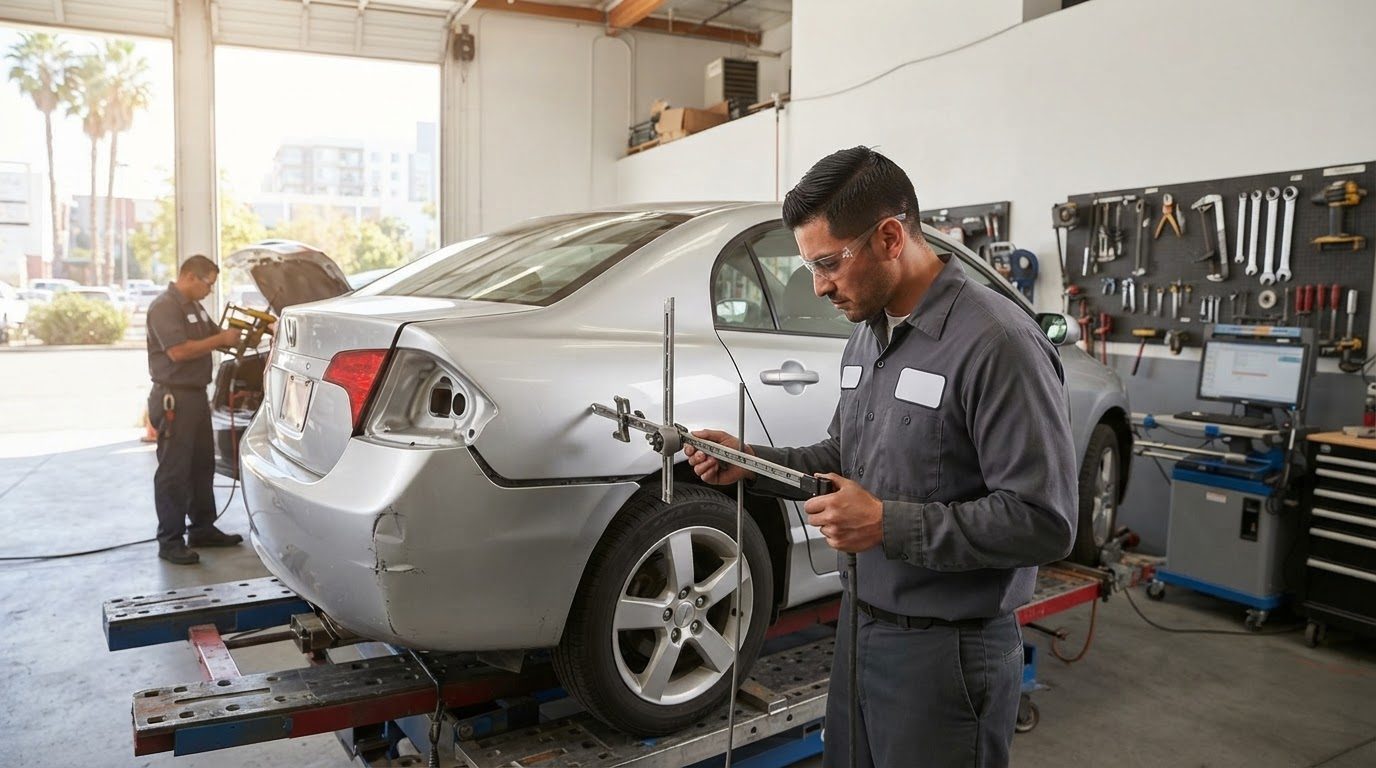
A crash can leave more than a dent or broken bumper. Modern vehicles may sustain damage to crash sensors, wiring, suspension components, and structural rails that are invisible during a quick walk-around.
For Sacramento drivers comparing repair options, relux collision represents a specialized auto body facility offering collision repair, insurance support, refinishing, diagnostics, and work on luxury vehicles. The right shop should restore both appearance and safety—not simply make damaged panels look presentable.
Before authorizing repairs, ask how the shop will inspect hidden damage, identify manufacturer repair procedures, verify replacement parts, and document final safety checks. Those details matter especially for newer vehicles equipped with cameras, radar, aluminum panels, and advanced driver-assistance systems.
Why Sacramento Drivers Choose a Specialized Collision Repair Shop
Basic cosmetic work may involve repairing a scratch, straightening a small dent, or repainting a panel. Complete post-accident repair is more involved. It can require:
- Measuring the body structure on a computerized frame machine.
- Replacing crash-management components such as impact absorbers and reinforcement beams.
- Checking suspension geometry, steering components, sensors, and wiring.
- Scanning electronic control modules for diagnostic trouble codes.
- Calibrating cameras, radar, blind-spot monitoring, or parking sensors.
Relux Collision states that its technicians include I-CAR Gold Class and OEM-certified personnel. I-CAR training addresses collision-repair roles and procedures, while OEM certification is generally specific to particular vehicle manufacturers and repair requirements. Customers should confirm which technicians and manufacturer programs apply to their vehicle.
This distinction is important for luxury and exotic cars. Aluminum, carbon-fiber, high-strength steel, matte finishes, and specialized driver-assistance systems may require dedicated tools and procedures. A newer vehicle may also need manufacturer-specific weld patterns, corrosion protection, adhesives, or post-repair scans.
Sacramento’s hot, dry summers and intense sun exposure make refinishing quality particularly important. Proper paint preparation, booth filtration, color blending, and clear-coat application help reduce premature fading and visible mismatch.
Collision and Auto Body Services Available at Relux Collision
A comprehensive repair plan should address both visible and concealed damage.
Structural and collision repair
Structural technicians inspect rails, pillars, aprons, floor sections, and suspension mounting points. Measuring systems can compare the vehicle with factory dimensions before and after pulling or component replacement. Repairs should follow the automaker’s procedures for welding, bonding, riveting, and sectioning.
Bumper damage
Bumpers contain more than plastic covers. Foam absorbers, brackets, grilles, parking sensors, radar units, and energy-management components may be affected. A bumper that appears repairable may still require replacement if its attachment points or impact-absorbing structure are compromised.
Dent, scratch, and paint repair
Paintless dent repair can be appropriate when the metal is not sharply creased and the paint remains intact. Conventional repair is more suitable for torn metal, damaged body lines, corrosion, or chipped finishes.
Professional refinishing typically involves color identification, substrate preparation, primer, basecoat, clear coat, curing, and blending into adjacent panels. A shop should also address overspray prevention, texture matching, and final polishing.
Glass, diagnostics, and ADAS calibration
Auto glass replacement may affect forward-facing cameras mounted near the windshield. After glass installation, calibration may be required. Diagnostic scanning can identify stored crash codes, restraint-system faults, battery issues, and communication errors between modules.
ADAS calibration may use targets, alignment equipment, road testing, or a combination of methods. The correct process depends on the vehicle and the manufacturer’s specifications. Calibration documentation should be available when the repair is complete.
Specialty services
Relux Collision also advertises services such as paint protection film, vehicle wraps, detailing, and exotic-car repair. These may complement collision work, but customers should clarify whether a specialty service is performed in-house, what materials are used, and how it interacts with the repair warranty.
What Happens After an Accident
The repair process generally follows several stages.
1. Initial contact and towing
If the vehicle is unsafe to drive, arrange towing rather than risking further damage. Relux Collision states that it can coordinate towing to its facility. Photograph the scene, vehicle condition, license plate, warning lights, and visible damage when it is safe to do so.
2. Inspection and estimate
A technician examines the exterior, underside, trunk or cargo area, wheels, glass, restraint systems, and electronic systems. The initial estimate is not always final. Hidden damage may appear after removing the bumper, fender, trim, carpeting, or other components.
Bring the insurance claim number, policy information, vehicle registration, keys, and any accident photographs. Mention pre-existing damage and provide maintenance or modification information that could affect the repair.
3. Insurance communication and authorization
A repair estimate describes proposed labor, parts, materials, and operations. An insurance claim is the broader process of reporting the loss, determining coverage, assigning responsibility, and approving payment. The final timeline depends on both the repair scope and insurer authorization.
Relux Collision says it works with major insurance companies and manages claim communication. Even so, customers should review approvals, supplement requests, rental coverage, and deductible responsibility themselves.
4. Teardown and repair
After authorization, technicians may disassemble the vehicle to expose additional damage. Structural repairs, parts installation, corrosion protection, bodywork, refinishing, reassembly, and system testing follow. Parts may be OEM, certified aftermarket, recycled, or other approved alternatives, depending on the estimate, insurer, vehicle, and customer agreement.
5. Final inspection
Before delivery, the shop should verify panel gaps, paint color and texture, trim fit, glass seals, wheel alignment, warning lights, fluid levels, and road-test performance. Scans and ADAS calibration should be completed when required.
Repair time can range from several days for a minor bumper or paint repair to multiple weeks for structural damage, parts delays, or calibration complications. A supplement does not automatically indicate poor planning; it often reflects damage that could not be seen before teardown.
Insurance, Deductibles, and Repair Costs in Sacramento
Collision costs vary substantially. Broad planning ranges include:
- Minor dent or bumper work: approximately $500–$1,500.
- Multi-panel repair and refinishing: approximately $1,500–$4,000.
- Structural, sensor, or extensive collision repair: $4,000–$10,000 or more.
- Luxury, exotic, aluminum, carbon-fiber, or highly equipped vehicles: potentially higher.
These are not quotes. Make, model, parts availability, labor rates, paint complexity, structural damage, mechanical repairs, scanning, and ADAS calibration all influence the total.
Relux Collision advertises deductible assistance of up to $1,000. Availability, eligibility, participating repairs, and legal or insurer restrictions may apply, so obtain the terms in writing before relying on the offer. A deductible is normally the customer’s contractual responsibility; any assistance should be clearly documented.
California drivers should also understand that an insurer’s preferred shop is not necessarily the only shop they may choose. Ask whether the insurer is directing the repair, what parts are authorized, and how disagreements over procedures or supplements will be handled.
The lowest estimate may omit necessary operations such as pre- and post-repair scans, corrosion protection, blend work, four-wheel alignment, or camera calibration. Compare estimates line by line rather than comparing only the total.
Warranty, Quality Checks, and Questions to Ask
Relux Collision advertises a lifetime repair warranty for as long as the owner retains the vehicle. Request the written warranty and review its coverage, exclusions, paint limitations, rust provisions, transfer rules, geographic restrictions, and requirements for future claims.
Before authorizing work, ask:
- Are the technicians I-CAR trained or certified for my vehicle’s manufacturer?
- Which parts will be installed, and how will their source be documented?
- Which OEM repair procedures will guide welding, bonding, sectioning, and calibration?
- Will the vehicle receive pre- and post-repair diagnostic scans?
- Does it require ADAS calibration, wheel alignment, or a road test?
- How are insurance supplements and claim paperwork handled?
- Is towing or rental-car coordination available, and who pays?
- What quality-control inspections occur before delivery?
- What exactly does the written warranty cover?
A credible final inspection should include paint and panel-alignment checks, functional testing of lights and safety systems, warning-light verification, scan results, calibration records, and a review of completed operations.
For a Sacramento vehicle that has been in a collision, the practical next step is a professional inspection rather than a visual guess. Contact Relux Collision or submit a vehicle estimate request with photographs, accident details, and insurance information so the shop can assess the damage and explain the repair path.